Funding and access
Ways to access music therapy
Music therapy can be funded in a few different ways. If you're not sure which applies to you, just ask. We're happy to talk it through.
NDIS
Music therapy and the NDIS
Music therapy can be funded through the NDIS under Capacity Building – Improved Daily Living when it relates to a participant's goals and support needs. Sessions are individualised, evidence-based and designed to support meaningful outcomes for children, adolescents and adults.
Music therapy goals are developed to align directly with each participant's NDIS goals, and to support functional outcomes in everyday life.
Music therapy may support goals related to
- Communication and language
- Emotional regulation
- Social interaction and relationships
- Confidence and self-expression
- Attention and engagement
- Sensory processing
- Cognitive development
- Movement and coordination
- Independence and daily living skills
- Family connection and wellbeing
Evidence-based reports
- Initial assessments
- Progress reports
- Functional observations
- Recommendations for ongoing support
- Goal-focused therapy planning
Reports can support plan reviews and help show progress towards NDIS outcomes.
Who we support
- NDIA-managed participants
- Plan-managed participants
- Self-managed participants
- Children and families with Early Childhood plans
We work closely with participants, families, support coordinators, educators, allied health professionals and care teams to provide collaborative, holistic support.
Thriving Kids
Thriving Kids and music therapy
Thriving Kids is an Australian Government and state and territory initiative to help children aged 8 and under with developmental delay and/or autism access early support to develop, learn and take part in everyday life.
Music therapy uses singing, movement, instrument play and shared musical experiences to support goals around communication, social interaction, emotional expression, engagement and participation.
We are following the development of the Thriving Kids program and how music therapy can contribute to early childhood supports in our community.
Talk about your child's needs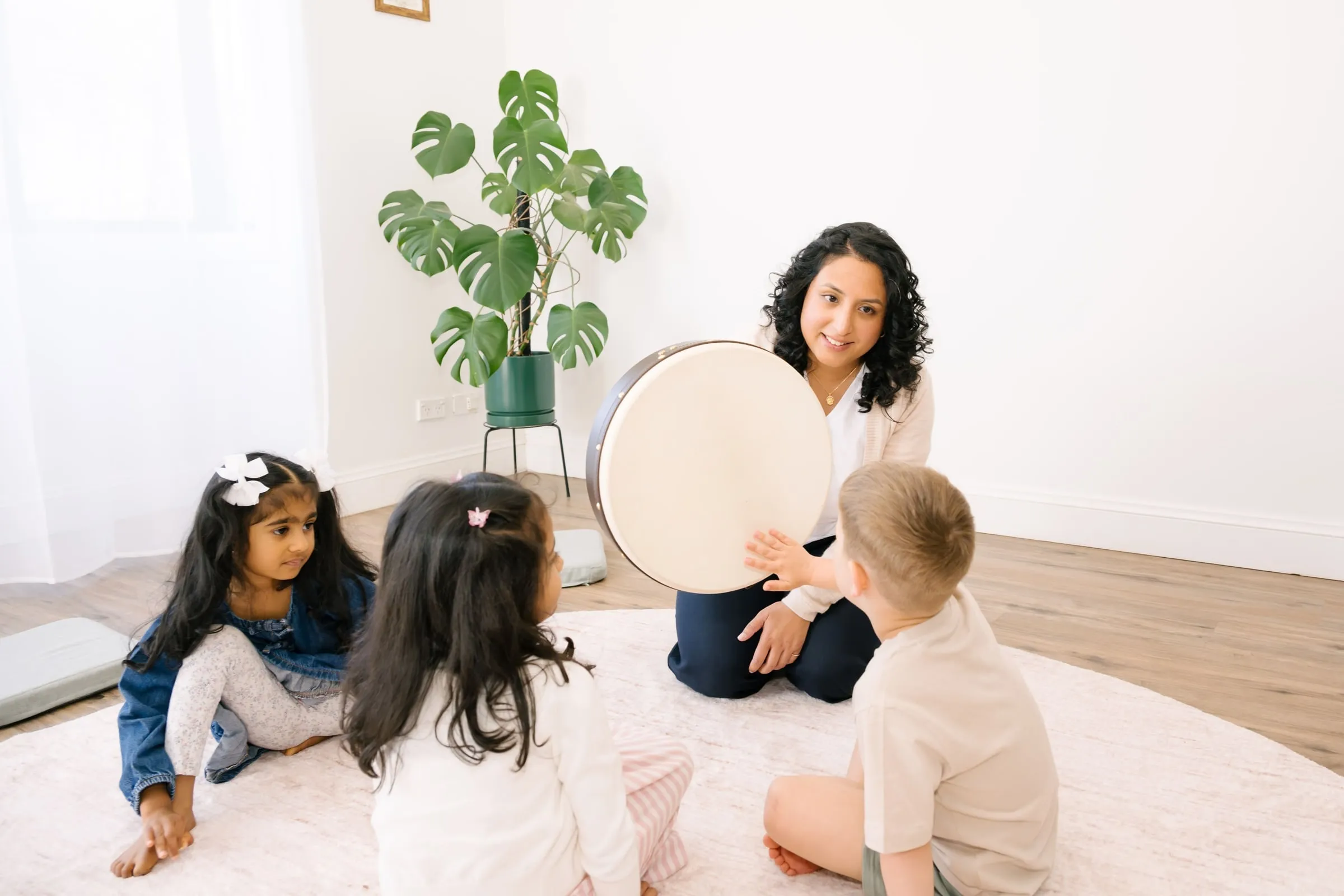
Support at Home
Support at Home and music therapy
The Australian Government's Support at Home program helps eligible older Australians access services that support their wellbeing, independence and ability to keep living at home.
Music therapy is on the Support at Home service list under Allied health and other therapeutic services. Depending on a person's assessed needs, it may support communication, cognitive engagement, emotional wellbeing and taking part in meaningful activities.
How to explore it
- Speak with your care partner or registered provider. Discuss your goals and whether music therapy may suit your assessed needs.
- Explore available service arrangements. Your provider can advise whether music therapy can be included in your support plan, with an external Registered Music Therapist.
- Contact In The Music. We welcome enquiries from older adults, families and registered aged care providers.
Funding is not automatic. It depends on the program's requirements, the person's assessed needs and support plan, and the arrangements made with their registered provider. More information is on the Australian Government's Support at Home website.
Private
Paying privately
Music therapy is also available through private arrangements, for individuals, families, centres and aged care homes. Get in touch to discuss fees.